








Tufuate kwenye Instagram
Zaidi ya kampuni ya nje.

@sawyerproducts
Follow us on Instagram



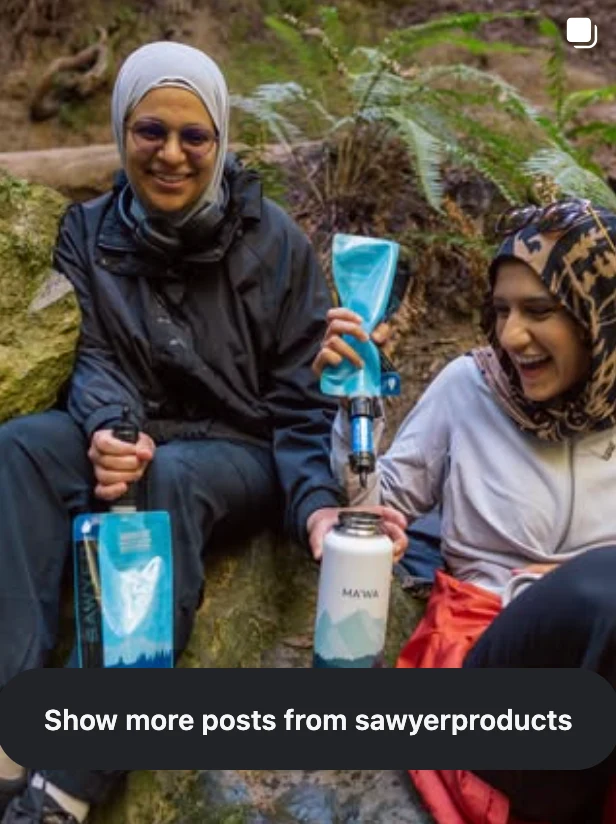

To ensure your first backpacking experience is safe and enjoyable, we talked to experts to find out everything you need to know and bring when going back
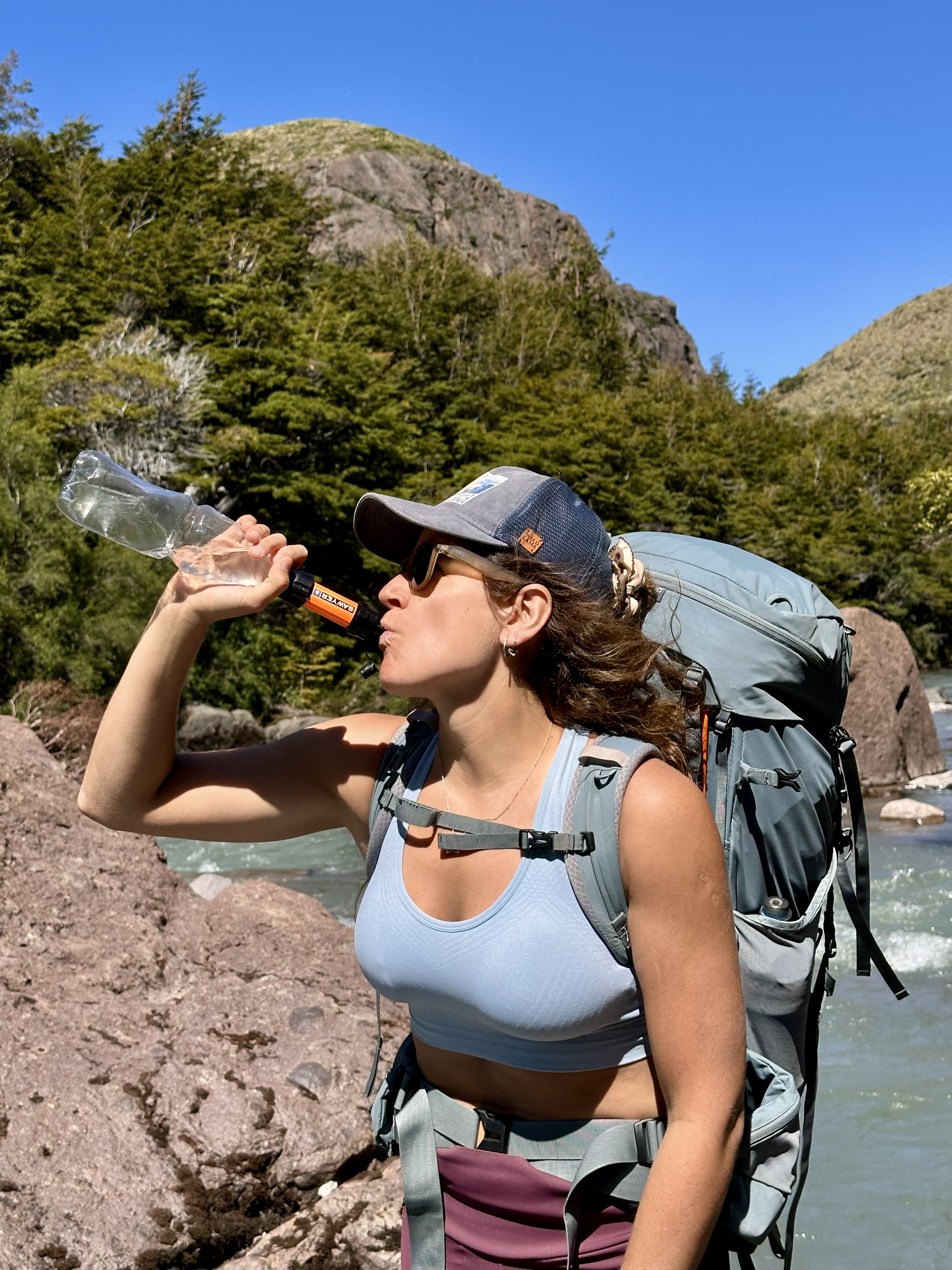
Watch videoFollowing a comprehensive guide to backcountry camping is one of the safest ways for a beginner to get from sitting on their couch to backpacking through the wilderness. Otherwise, you risk venturing into the wild without a plan or the right outdoor gear, which could spoil your trip — or worse.
To ensure your first backpacking experience is safe and enjoyable, we talked to experts to find out everything you need to know and bring when going backcountry camping.
Backcountry campsites are kept more natural and only have room for a very small number of campers. They lack public facilities like restrooms and showers, but those willing to do the work to reach them are rewarded with sweet solitude. And that “work” doesn’t always have to require hours of hiking. There are many backcountry campsites that are just a five- to 15-minute walk from the car. But if you like the sound of a trek through the woods, there are countless trails and sites to explore if you’re willing to leave you car behind and strap everything you need onto your back.
“Backpacking allows you to cover significantly more ground than day-hiking, so I highly recommend backpacking to anyone who wants to see more beautiful sights,” says Ashleigh McClary, a Gearhead at Backcountry. However, it does take more planning than traditional car camping, as you’ll need to figure out where you’re going and what to bring. “You should try to make sure to have a balance of everything you need and nothing extra that you don’t need,” McClary says. “New backpackers often bring too much on their trips and get weighed down with heavy gear.”
Continue reading the full article written By Matt Haines, Kai Burkhardt and Maxwell Shukuya here.


Following a comprehensive guide to backcountry camping is one of the safest ways for a beginner to get from sitting on their couch to backpacking through the wilderness. Otherwise, you risk venturing into the wild without a plan or the right outdoor gear, which could spoil your trip — or worse.
To ensure your first backpacking experience is safe and enjoyable, we talked to experts to find out everything you need to know and bring when going backcountry camping.
Backcountry campsites are kept more natural and only have room for a very small number of campers. They lack public facilities like restrooms and showers, but those willing to do the work to reach them are rewarded with sweet solitude. And that “work” doesn’t always have to require hours of hiking. There are many backcountry campsites that are just a five- to 15-minute walk from the car. But if you like the sound of a trek through the woods, there are countless trails and sites to explore if you’re willing to leave you car behind and strap everything you need onto your back.
“Backpacking allows you to cover significantly more ground than day-hiking, so I highly recommend backpacking to anyone who wants to see more beautiful sights,” says Ashleigh McClary, a Gearhead at Backcountry. However, it does take more planning than traditional car camping, as you’ll need to figure out where you’re going and what to bring. “You should try to make sure to have a balance of everything you need and nothing extra that you don’t need,” McClary says. “New backpackers often bring too much on their trips and get weighed down with heavy gear.”
Continue reading the full article written By Matt Haines, Kai Burkhardt and Maxwell Shukuya here.
Following a comprehensive guide to backcountry camping is one of the safest ways for a beginner to get from sitting on their couch to backpacking through the wilderness. Otherwise, you risk venturing into the wild without a plan or the right outdoor gear, which could spoil your trip — or worse.
To ensure your first backpacking experience is safe and enjoyable, we talked to experts to find out everything you need to know and bring when going backcountry camping.
Backcountry campsites are kept more natural and only have room for a very small number of campers. They lack public facilities like restrooms and showers, but those willing to do the work to reach them are rewarded with sweet solitude. And that “work” doesn’t always have to require hours of hiking. There are many backcountry campsites that are just a five- to 15-minute walk from the car. But if you like the sound of a trek through the woods, there are countless trails and sites to explore if you’re willing to leave you car behind and strap everything you need onto your back.
“Backpacking allows you to cover significantly more ground than day-hiking, so I highly recommend backpacking to anyone who wants to see more beautiful sights,” says Ashleigh McClary, a Gearhead at Backcountry. However, it does take more planning than traditional car camping, as you’ll need to figure out where you’re going and what to bring. “You should try to make sure to have a balance of everything you need and nothing extra that you don’t need,” McClary says. “New backpackers often bring too much on their trips and get weighed down with heavy gear.”
Continue reading the full article written By Matt Haines, Kai Burkhardt and Maxwell Shukuya here.
Zaidi ya kampuni ya nje.

