











.webp)

Tufuate kwenye Instagram
Zaidi ya kampuni ya nje.

@sawyerproducts
Follow us on Instagram


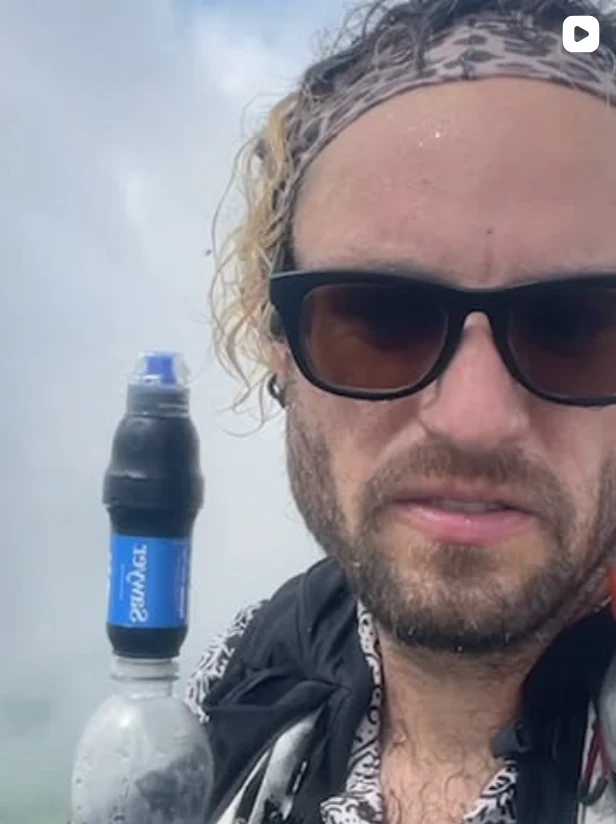







Choosing Bug Repellents: Which is the best insect repellent for travel
Watch videoBiting insects all over the world are searching for their next blood meal. You need to know what the best insect repellent is for travel to help prevent a mosquito, fly or tick bite that could carry a nasty disease.
Insect bites are no fun anywhere you travel. But a bite from a mosquito or tick, depending on where in the world you are, can also lead to transmission of nasty diseases, such as malaria, Lyme, Dengue fever, West Nile, Japanese encephalitis, Zika, yellow fever (for which there is a vaccine, thankfully), and many unwanted ailments. To prevent an insect bite, you will need a good bug repellent. Insect repellents all work (with varying degrees of effectiveness) against mosquitoes. Many also work against ticks. Some work against flies (think black flies, sandflies, midges and gnats), but none work against stinging insects, bees or wasps.
How do insect repellents work? Mosquitoes and ticks are attracted to skin odors and the carbon dioxide a person exhales. These biting insects also use heat, color (wearing lighter colored clothing helps), and other visual cues to target a bite zone and “host” (that’s you) for the next blood feast. Bug repellents work by confusing the senses of a mosquito or tick preventing it from finding a suitable target.
What is the best insect repellent for travel?
The answer depends a lot on balancing how you feel about applying chemicals to your skin and about understanding the risks of contracting a serious disease from an insect bite wherever you may be traveling.
With the above in mind, I’ll stick with highlighting the various chemical and natural ingredient choices you will find and offer a few of my own observations from decades of using and testing bug repellents. From there, you can decide what is best for you.
Head here to learn more about the best insect repellents written by Michael Hodgson here.


Biting insects all over the world are searching for their next blood meal. You need to know what the best insect repellent is for travel to help prevent a mosquito, fly or tick bite that could carry a nasty disease.
Insect bites are no fun anywhere you travel. But a bite from a mosquito or tick, depending on where in the world you are, can also lead to transmission of nasty diseases, such as malaria, Lyme, Dengue fever, West Nile, Japanese encephalitis, Zika, yellow fever (for which there is a vaccine, thankfully), and many unwanted ailments. To prevent an insect bite, you will need a good bug repellent. Insect repellents all work (with varying degrees of effectiveness) against mosquitoes. Many also work against ticks. Some work against flies (think black flies, sandflies, midges and gnats), but none work against stinging insects, bees or wasps.
How do insect repellents work? Mosquitoes and ticks are attracted to skin odors and the carbon dioxide a person exhales. These biting insects also use heat, color (wearing lighter colored clothing helps), and other visual cues to target a bite zone and “host” (that’s you) for the next blood feast. Bug repellents work by confusing the senses of a mosquito or tick preventing it from finding a suitable target.
What is the best insect repellent for travel?
The answer depends a lot on balancing how you feel about applying chemicals to your skin and about understanding the risks of contracting a serious disease from an insect bite wherever you may be traveling.
With the above in mind, I’ll stick with highlighting the various chemical and natural ingredient choices you will find and offer a few of my own observations from decades of using and testing bug repellents. From there, you can decide what is best for you.
Head here to learn more about the best insect repellents written by Michael Hodgson here.
Biting insects all over the world are searching for their next blood meal. You need to know what the best insect repellent is for travel to help prevent a mosquito, fly or tick bite that could carry a nasty disease.
Insect bites are no fun anywhere you travel. But a bite from a mosquito or tick, depending on where in the world you are, can also lead to transmission of nasty diseases, such as malaria, Lyme, Dengue fever, West Nile, Japanese encephalitis, Zika, yellow fever (for which there is a vaccine, thankfully), and many unwanted ailments. To prevent an insect bite, you will need a good bug repellent. Insect repellents all work (with varying degrees of effectiveness) against mosquitoes. Many also work against ticks. Some work against flies (think black flies, sandflies, midges and gnats), but none work against stinging insects, bees or wasps.
How do insect repellents work? Mosquitoes and ticks are attracted to skin odors and the carbon dioxide a person exhales. These biting insects also use heat, color (wearing lighter colored clothing helps), and other visual cues to target a bite zone and “host” (that’s you) for the next blood feast. Bug repellents work by confusing the senses of a mosquito or tick preventing it from finding a suitable target.
What is the best insect repellent for travel?
The answer depends a lot on balancing how you feel about applying chemicals to your skin and about understanding the risks of contracting a serious disease from an insect bite wherever you may be traveling.
With the above in mind, I’ll stick with highlighting the various chemical and natural ingredient choices you will find and offer a few of my own observations from decades of using and testing bug repellents. From there, you can decide what is best for you.
Head here to learn more about the best insect repellents written by Michael Hodgson here.
Zaidi ya kampuni ya nje.

