









Tufuate kwenye Instagram
Zaidi ya kampuni ya nje.

@sawyerproducts
Follow us on Instagram





The quality, continuity, and management of water define a silent gap that persists in Peru.
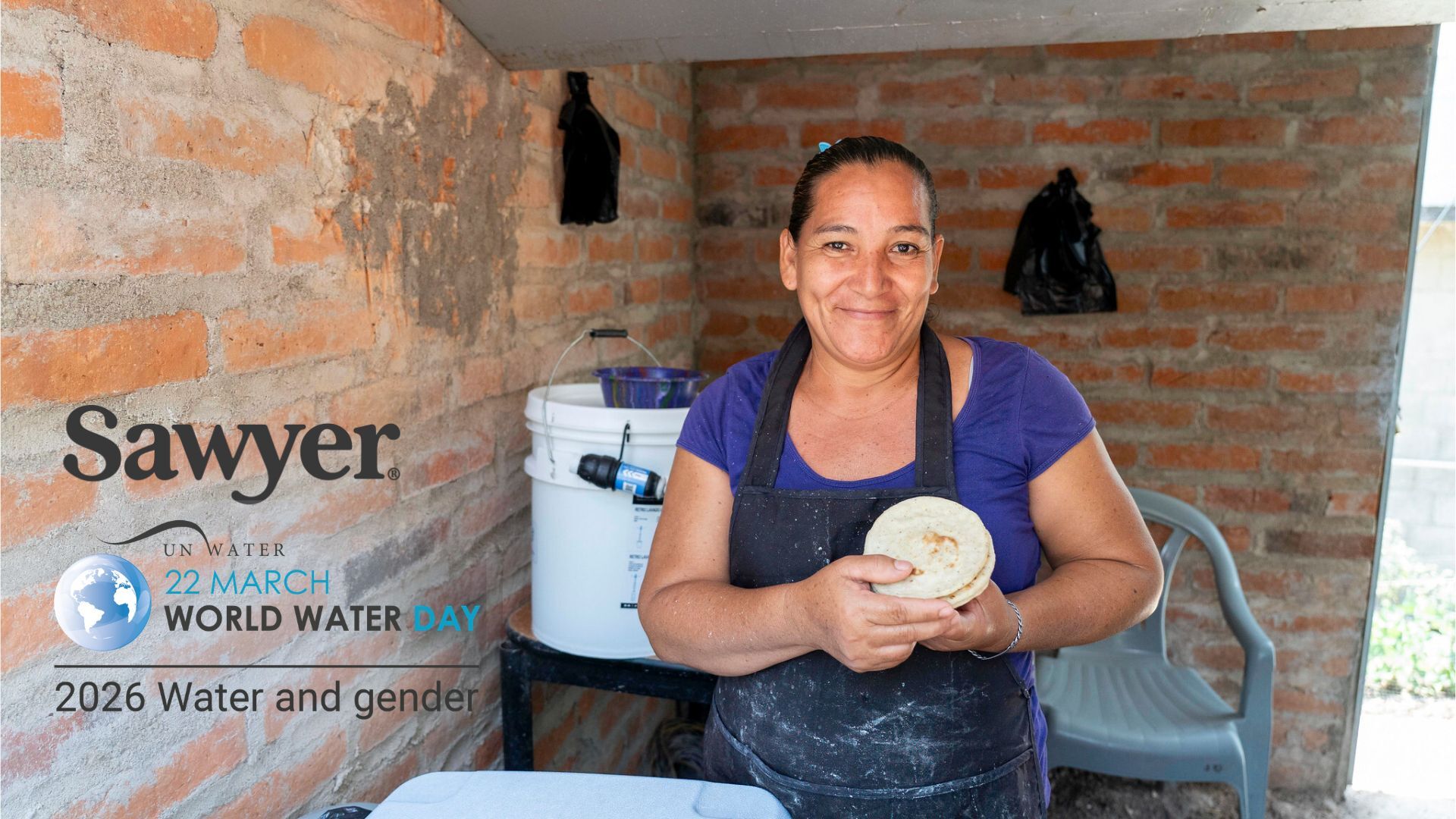
Watch videoEvery March 22nd, World Water Day highlights one of Peru's most pressing challenges: ensuring access not only to drinking water, but also to a safe, continuous, and high-quality service. While the debate often focuses on expanding water networks, experts warn that the problem is more complex and directly affects the health of millions of people .
Data from the National Institute of Statistics and Informatics shows that in 2023 the lack of access to safely managed water reached 97% of the rural population and 67% of the urban population; these figures reflect that having a connection to the public network does not guarantee adequate conditions of quality, continuity or disinfection.


Every March 22nd, World Water Day highlights one of Peru's most pressing challenges: ensuring access not only to drinking water, but also to a safe, continuous, and high-quality service. While the debate often focuses on expanding water networks, experts warn that the problem is more complex and directly affects the health of millions of people .
Data from the National Institute of Statistics and Informatics shows that in 2023 the lack of access to safely managed water reached 97% of the rural population and 67% of the urban population; these figures reflect that having a connection to the public network does not guarantee adequate conditions of quality, continuity or disinfection.
Every March 22nd, World Water Day highlights one of Peru's most pressing challenges: ensuring access not only to drinking water, but also to a safe, continuous, and high-quality service. While the debate often focuses on expanding water networks, experts warn that the problem is more complex and directly affects the health of millions of people .
Data from the National Institute of Statistics and Informatics shows that in 2023 the lack of access to safely managed water reached 97% of the rural population and 67% of the urban population; these figures reflect that having a connection to the public network does not guarantee adequate conditions of quality, continuity or disinfection.
Zaidi ya kampuni ya nje.

