





Tufuate kwenye Instagram
Zaidi ya kampuni ya nje.

@sawyerproducts
Follow us on Instagram
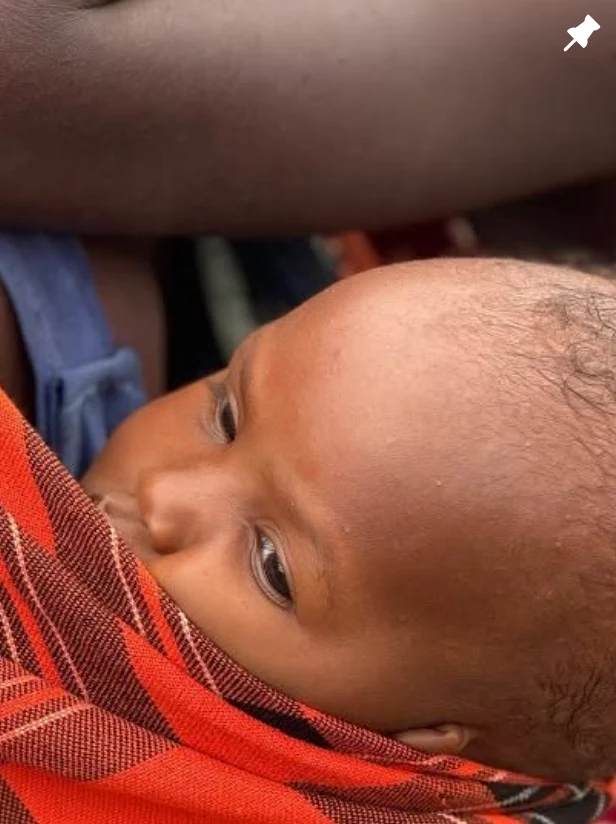




Every 10 seconds, a person dies due to a lack of access to clean water.
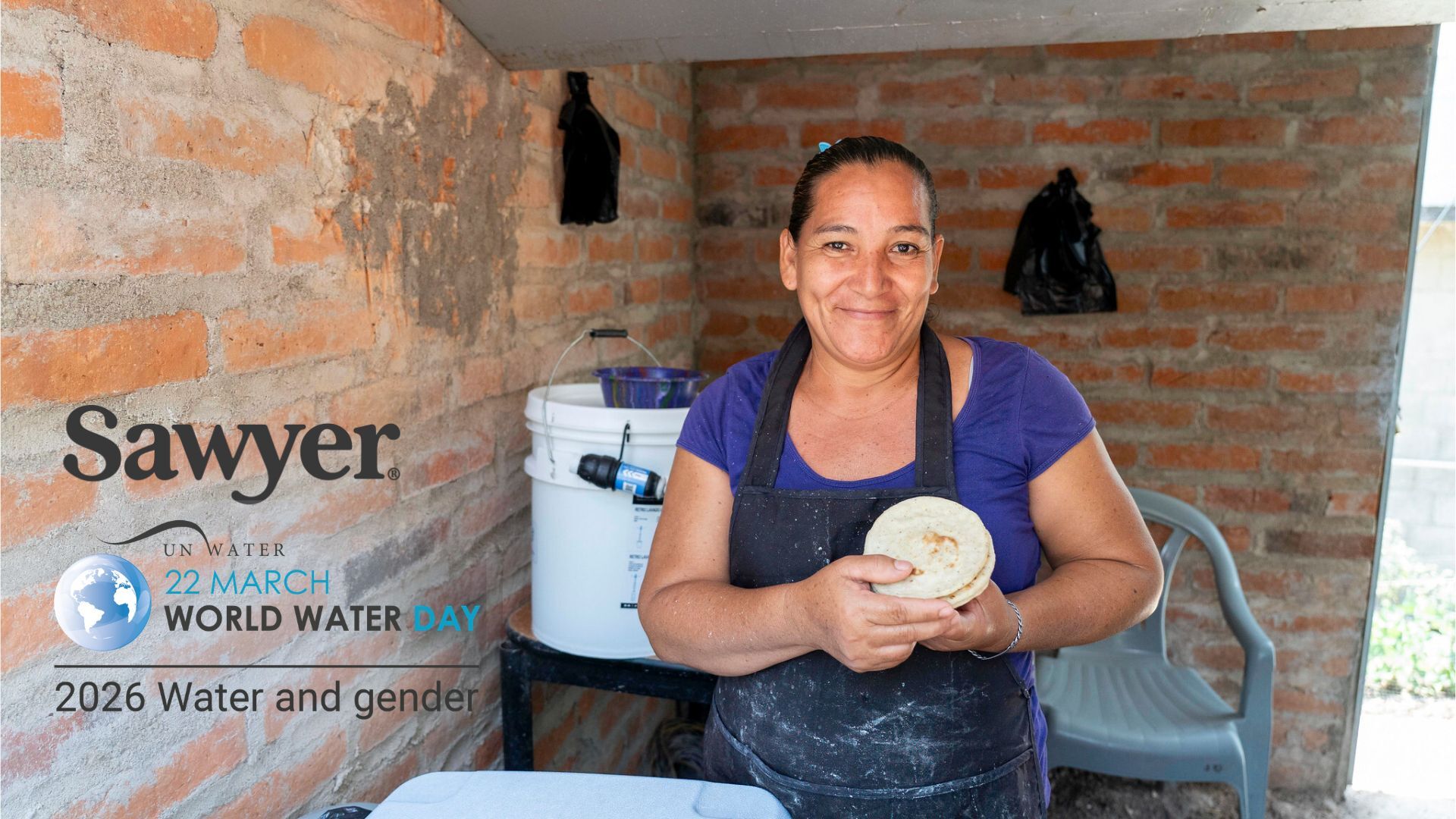
Watch video“Thousands have lived without love, not one without water,” the poet W.H. Auden once said. Access to clean drinking water is a basic life necessity that increasingly appears to be a luxury; one enjoyed by far too few. According to the United Nations’ World Water Development Report 2024, 2.2 billion people lack access to safely managed drinking water, while 3.5 billion lack access to safely managed sanitation services. The situation is worsening, as climate change continues to exacerbate water scarcity, and sources of safe drinking water become increasingly subject to conflict and war.
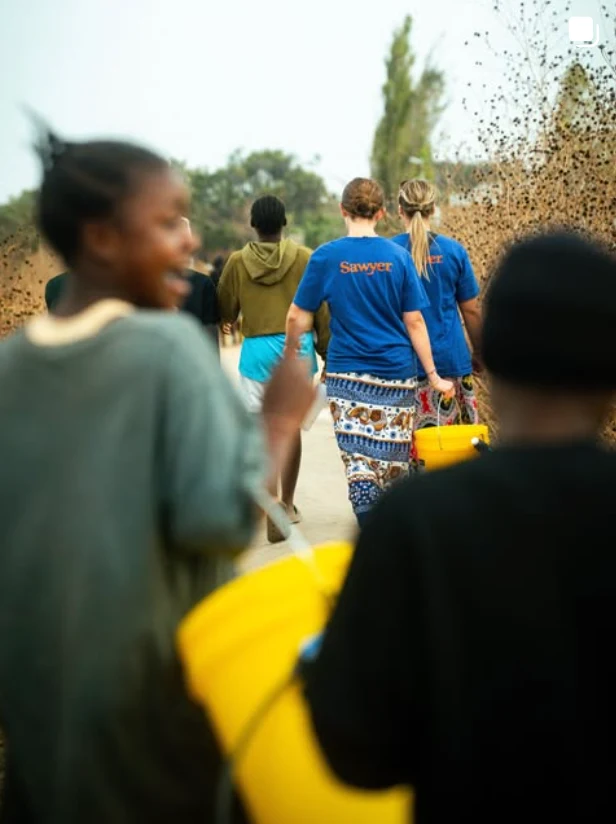
Though 71% of the Earth’s surface is covered by water, only 1% is available for human consumption and not all of that significantly small portion is clean. Every 10 seconds, a person dies due to a lack of access to clean water – and communities suffer bacterial infections, parasites and dehydration. Families often dedicate their limited funds to purchasing materials to purify water, or are forced to buy bottled water. Children’s education is impacted by missing school days caused by waterborne illness.
Continue reading to learn more, written by Christian Troy and Riley Garrison.


“Thousands have lived without love, not one without water,” the poet W.H. Auden once said. Access to clean drinking water is a basic life necessity that increasingly appears to be a luxury; one enjoyed by far too few. According to the United Nations’ World Water Development Report 2024, 2.2 billion people lack access to safely managed drinking water, while 3.5 billion lack access to safely managed sanitation services. The situation is worsening, as climate change continues to exacerbate water scarcity, and sources of safe drinking water become increasingly subject to conflict and war.
Though 71% of the Earth’s surface is covered by water, only 1% is available for human consumption and not all of that significantly small portion is clean. Every 10 seconds, a person dies due to a lack of access to clean water – and communities suffer bacterial infections, parasites and dehydration. Families often dedicate their limited funds to purchasing materials to purify water, or are forced to buy bottled water. Children’s education is impacted by missing school days caused by waterborne illness.
Continue reading to learn more, written by Christian Troy and Riley Garrison.
“Thousands have lived without love, not one without water,” the poet W.H. Auden once said. Access to clean drinking water is a basic life necessity that increasingly appears to be a luxury; one enjoyed by far too few. According to the United Nations’ World Water Development Report 2024, 2.2 billion people lack access to safely managed drinking water, while 3.5 billion lack access to safely managed sanitation services. The situation is worsening, as climate change continues to exacerbate water scarcity, and sources of safe drinking water become increasingly subject to conflict and war.
Though 71% of the Earth’s surface is covered by water, only 1% is available for human consumption and not all of that significantly small portion is clean. Every 10 seconds, a person dies due to a lack of access to clean water – and communities suffer bacterial infections, parasites and dehydration. Families often dedicate their limited funds to purchasing materials to purify water, or are forced to buy bottled water. Children’s education is impacted by missing school days caused by waterborne illness.
Continue reading to learn more, written by Christian Troy and Riley Garrison.
Zaidi ya kampuni ya nje.

