








Tufuate kwenye Instagram
Zaidi ya kampuni ya nje.

@sawyerproducts
Follow us on Instagram







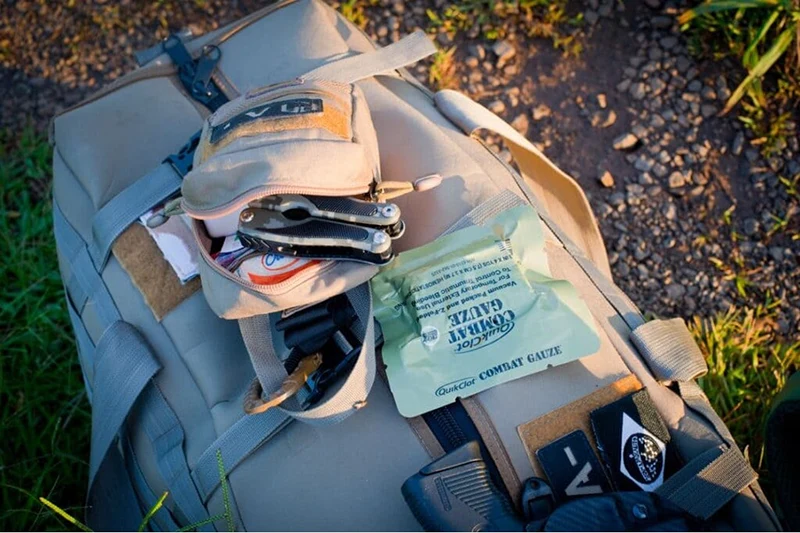
If 2020 has taught us anything, it’s to expect the unexpected — and then some. And while we’re not able to predict every looming disaster, we’ve learned that a little preparation can provide a lot of peace of mind for whatever may come. To assemble the following list of emergency supplies, we consulted recommendations from the CDC, Red Cross, the Department of Homeland Security, and the NYC Emergency Management Department. But those agencies give you only general categories, and we wanted specifics. So we interviewed 16 survivalists, preppers, bushcrafters, homesteaders, and emergency professionals about their favorite things to always have on-hand — and their advice to make your bugout (or bugin) the best it can possibly be. Here are their suggestions, broken down into categories based on your level of survivalist instinct.
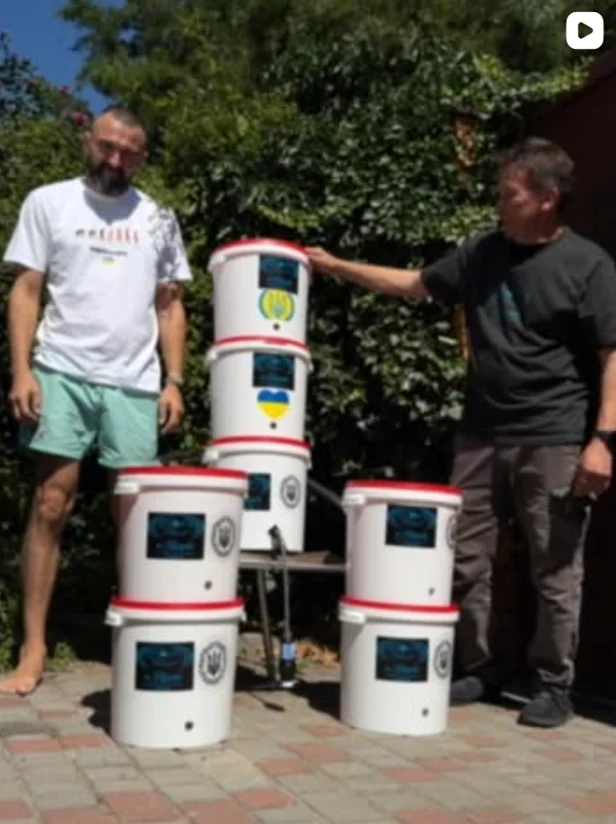
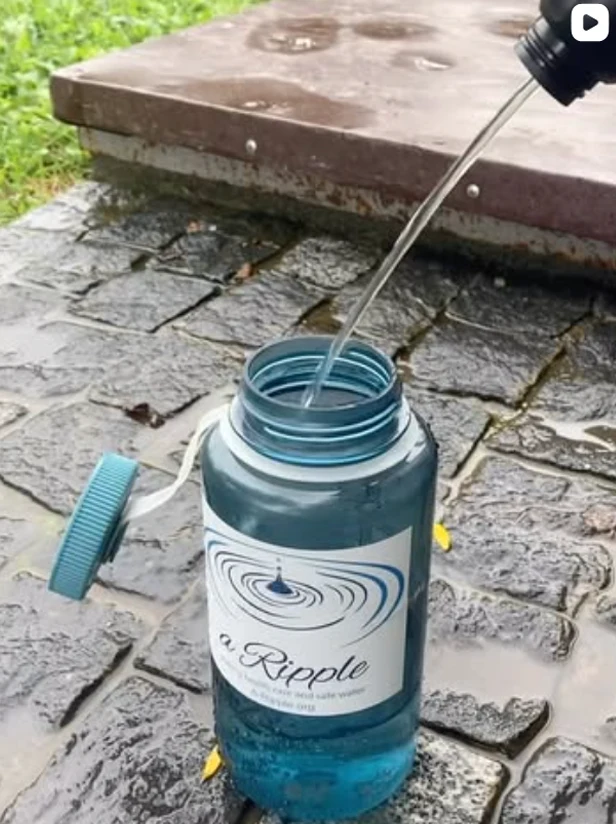
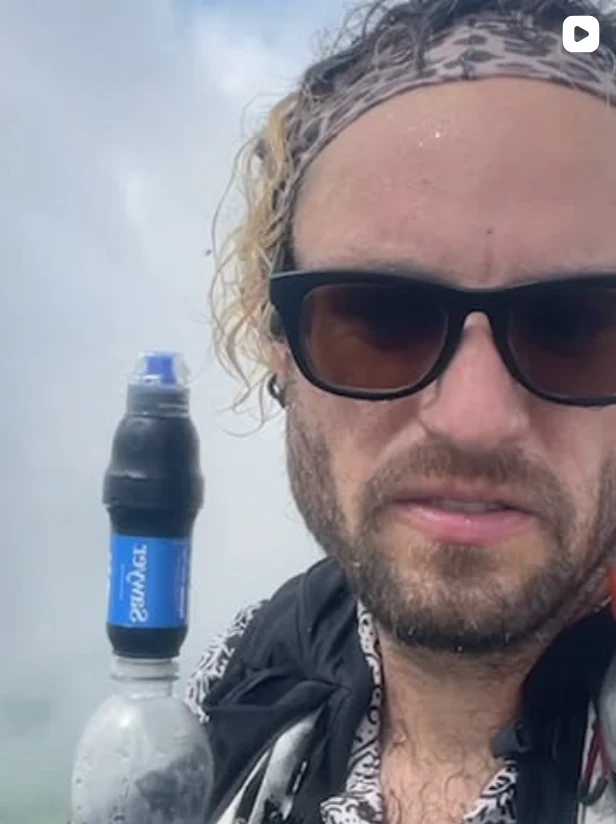
Jessica Kellog of the City of Los Angeles Emergency Management Department recommends having one gallon of water per person per day for seven days, but R.C. suggests getting even more: “You can’t have too much water,” he says. “If disaster strikes, the first thing I would do is fill the bathtub or the sink with water to keep it as a reserve.” If you’re sticking to bottled, any kind will do. But once that’s gone, you need to have a way to resupply, says Hawke. There are many ways to purify water. The easiest ways are by boiling (you’ll need something metal in which to do that), with water purification tablets (Coyne likes these), and through various filtration systems. Hawke likes the Life Straw and the O-Zone Pen for individual use, and Rogue, Prepper Potpourri, and Survival Mom likes a Berkey for something bigger. If you need a smaller option, Survival Mom uses and recommends the Sawyer Mini.


If 2020 has taught us anything, it’s to expect the unexpected — and then some. And while we’re not able to predict every looming disaster, we’ve learned that a little preparation can provide a lot of peace of mind for whatever may come. To assemble the following list of emergency supplies, we consulted recommendations from the CDC, Red Cross, the Department of Homeland Security, and the NYC Emergency Management Department. But those agencies give you only general categories, and we wanted specifics. So we interviewed 16 survivalists, preppers, bushcrafters, homesteaders, and emergency professionals about their favorite things to always have on-hand — and their advice to make your bugout (or bugin) the best it can possibly be. Here are their suggestions, broken down into categories based on your level of survivalist instinct.
Jessica Kellog of the City of Los Angeles Emergency Management Department recommends having one gallon of water per person per day for seven days, but R.C. suggests getting even more: “You can’t have too much water,” he says. “If disaster strikes, the first thing I would do is fill the bathtub or the sink with water to keep it as a reserve.” If you’re sticking to bottled, any kind will do. But once that’s gone, you need to have a way to resupply, says Hawke. There are many ways to purify water. The easiest ways are by boiling (you’ll need something metal in which to do that), with water purification tablets (Coyne likes these), and through various filtration systems. Hawke likes the Life Straw and the O-Zone Pen for individual use, and Rogue, Prepper Potpourri, and Survival Mom likes a Berkey for something bigger. If you need a smaller option, Survival Mom uses and recommends the Sawyer Mini.
If 2020 has taught us anything, it’s to expect the unexpected — and then some. And while we’re not able to predict every looming disaster, we’ve learned that a little preparation can provide a lot of peace of mind for whatever may come. To assemble the following list of emergency supplies, we consulted recommendations from the CDC, Red Cross, the Department of Homeland Security, and the NYC Emergency Management Department. But those agencies give you only general categories, and we wanted specifics. So we interviewed 16 survivalists, preppers, bushcrafters, homesteaders, and emergency professionals about their favorite things to always have on-hand — and their advice to make your bugout (or bugin) the best it can possibly be. Here are their suggestions, broken down into categories based on your level of survivalist instinct.
Jessica Kellog of the City of Los Angeles Emergency Management Department recommends having one gallon of water per person per day for seven days, but R.C. suggests getting even more: “You can’t have too much water,” he says. “If disaster strikes, the first thing I would do is fill the bathtub or the sink with water to keep it as a reserve.” If you’re sticking to bottled, any kind will do. But once that’s gone, you need to have a way to resupply, says Hawke. There are many ways to purify water. The easiest ways are by boiling (you’ll need something metal in which to do that), with water purification tablets (Coyne likes these), and through various filtration systems. Hawke likes the Life Straw and the O-Zone Pen for individual use, and Rogue, Prepper Potpourri, and Survival Mom likes a Berkey for something bigger. If you need a smaller option, Survival Mom uses and recommends the Sawyer Mini.
Zaidi ya kampuni ya nje.

