
















Tufuate kwenye Instagram
Zaidi ya kampuni ya nje.

@sawyerproducts
Follow us on Instagram












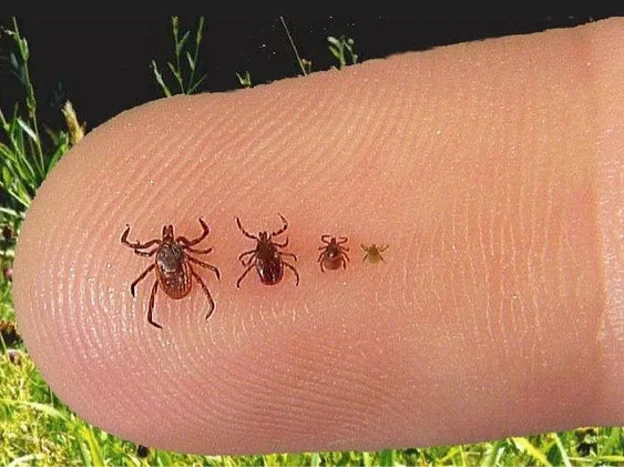
A rare tick-borne virus killed a Maine resident, the Maine Center for Disease Control and Prevention announced.
Watch videoHikers heading into tick territory on the East Coast are most at risk of the uncommon Powassan virus.
A rare tick-borne virus killed a Maine resident, the Maine Center for Disease Control and Prevention announced on Wednesday.
The man, whose name has not been released, checked himself into a Waldo County hospital after experiencing a series of unexplainable neurological symptoms. After his death, doctors confirmed that the Powassan virus, which he likely contracted in-state, was the cause.
While the CDC indicates that many people who are infected with the virus may not even show symptoms, others are not so fortunate. Symptoms for the Powassan virus typically appear within a month of being bitten and may include confusion, headaches, loss of coordination, memory loss, meningitis, and encephalitis, an infection of the brain.
Since 2011, the Powassan Virus has accounted for just an average of 18 cases each year. But those numbers appear to be on the rise: Between 2015 and 2020, the United States saw an average of 28 reported cases of the Powassan Virus, which is a 64% increase.
Cases were predominantly reported from the northeast, with some reaching as far west as North Dakota. Of those 178 cases, 22 (12%) resulted in death.
“Ticks are active and looking for a host to bite right now,” Dr. Nirav Shah, director of the Maine CDC, saidin a written statement. “I urge Maine people and visitors to take steps that prevent tick bites.”
You can continue reading the complete article, written by Mary Beth “MOUSE” Skylis here.


Hikers heading into tick territory on the East Coast are most at risk of the uncommon Powassan virus.
A rare tick-borne virus killed a Maine resident, the Maine Center for Disease Control and Prevention announced on Wednesday.
The man, whose name has not been released, checked himself into a Waldo County hospital after experiencing a series of unexplainable neurological symptoms. After his death, doctors confirmed that the Powassan virus, which he likely contracted in-state, was the cause.
While the CDC indicates that many people who are infected with the virus may not even show symptoms, others are not so fortunate. Symptoms for the Powassan virus typically appear within a month of being bitten and may include confusion, headaches, loss of coordination, memory loss, meningitis, and encephalitis, an infection of the brain.
Since 2011, the Powassan Virus has accounted for just an average of 18 cases each year. But those numbers appear to be on the rise: Between 2015 and 2020, the United States saw an average of 28 reported cases of the Powassan Virus, which is a 64% increase.
Cases were predominantly reported from the northeast, with some reaching as far west as North Dakota. Of those 178 cases, 22 (12%) resulted in death.
“Ticks are active and looking for a host to bite right now,” Dr. Nirav Shah, director of the Maine CDC, saidin a written statement. “I urge Maine people and visitors to take steps that prevent tick bites.”
You can continue reading the complete article, written by Mary Beth “MOUSE” Skylis here.
Hikers heading into tick territory on the East Coast are most at risk of the uncommon Powassan virus.
A rare tick-borne virus killed a Maine resident, the Maine Center for Disease Control and Prevention announced on Wednesday.
The man, whose name has not been released, checked himself into a Waldo County hospital after experiencing a series of unexplainable neurological symptoms. After his death, doctors confirmed that the Powassan virus, which he likely contracted in-state, was the cause.
While the CDC indicates that many people who are infected with the virus may not even show symptoms, others are not so fortunate. Symptoms for the Powassan virus typically appear within a month of being bitten and may include confusion, headaches, loss of coordination, memory loss, meningitis, and encephalitis, an infection of the brain.
Since 2011, the Powassan Virus has accounted for just an average of 18 cases each year. But those numbers appear to be on the rise: Between 2015 and 2020, the United States saw an average of 28 reported cases of the Powassan Virus, which is a 64% increase.
Cases were predominantly reported from the northeast, with some reaching as far west as North Dakota. Of those 178 cases, 22 (12%) resulted in death.
“Ticks are active and looking for a host to bite right now,” Dr. Nirav Shah, director of the Maine CDC, saidin a written statement. “I urge Maine people and visitors to take steps that prevent tick bites.”
You can continue reading the complete article, written by Mary Beth “MOUSE” Skylis here.
Zaidi ya kampuni ya nje.

